



{:en}5 SEO tips to improve web positioning in Google 2021{:}{:es}5 Consejos SEO para mejorar el posicionamiento web en Google 2021{:}
{:en}Positioning your website on the first page of Google results is a really difficult task these days. The good news is that by following some SEO golden rules, that goal can be achieved.
I started in this digital marketing business more than 10 years ago working for the tourism industry. I remember that by then it was relatively easy to rank a website on Google and gain traffic.
Optimizing the texts and images of a page, knowing some keywords, density in the text, writing something more than the minimum accepted size, creating a couple of internal links and a mention from any prestigious website, blog, forum or platform, it was enough to appear in Google’s premium results list.
Today, Google algorithms, the search habits and behavior of consumers in search of a satisfactory experience, competition on the Internet and the high preparation of digital marketing or SEO specialists, make the task of positioning a website in internet is a much more dynamic and complex process.
Focus on the value of content

Starting with Google’s algorithms, today the internet giant has an algorithm called hummingbird that rewards websites that focus on specific content and that target a specific market niche. We believe that the goal is to unequivocally show your users what can really be of value and relevant to them in an effort to continue to improve the search experience and to curate the overwhelming amount of information that can be found on the internet.
For example, if you have a website that deals with weddings and you write an article about the 3 best destinations in the Caribbean and you limit yourself to mentioning the countries and hotels that offer specialized services, I don’t think you will do as well, as if it deepens the dream experience of the bride and groom, the convenience of hiring a wedding planning agency, the advantages of getting married abroad and specifically in the Caribbean, in relation to a local wedding, the details of the wedding program, the reliability of legal documentation, etc.
The more complete, detailed, precise and clear the information that is shared that does not leave a single question to ask users, the greater the reward of competing in the first positions of the search engine.
Optimize the title and meta description of the pages.
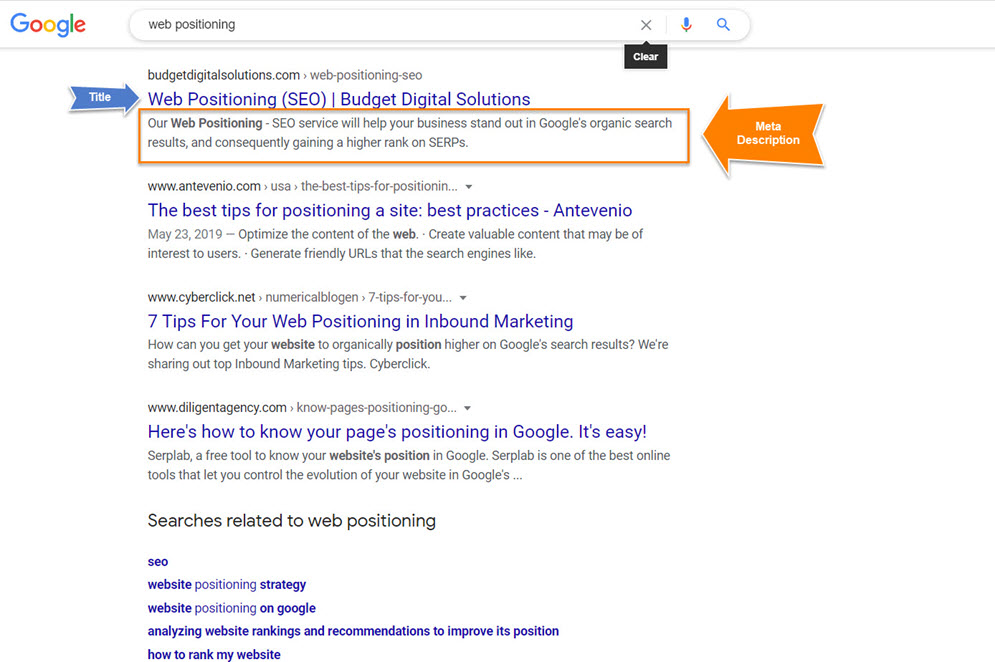
Improving the user experience is one of the most important objectives that search engines try to satisfy, so achieving the presentation of the information that is accurate and most relevant to the user’s search intent is critical.
Have you seen that when you do a search in Google the first thing you see is a line of text in strong blue? Well that line is called the title tag and it’s a link to the page of a website where the content that you will find is found the netizen. The description that appears immediately below in two lines of black letters with the keywords marked in bold type is the meta description.
Both the title and the meta description must be sufficiently attractive, inspiring, concise, consistent and consistent with the search intent that the keywords reveal so that they finally deserve the award of receiving the desired click.
Set a coherent Internal Linking Strategy.
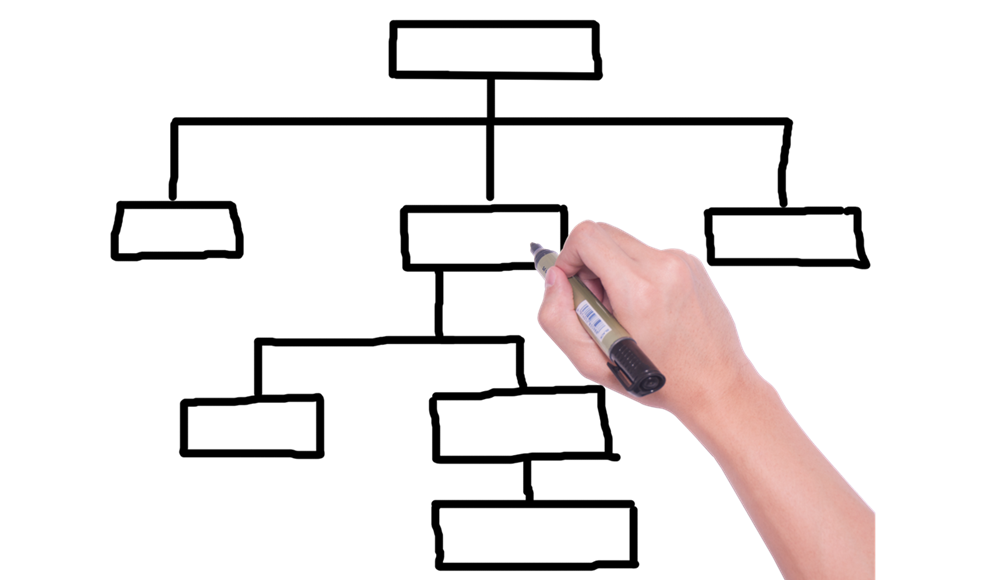
All content on a website page must have links to other pages within the same website. These links are called internal links.
The inclusion of links within the website indicates that your entire website constitutes a coherent compendium that is hierarchically related for its content value. Navigation between pages fulfills the objective of deepening or clarifying a topic.
Internal links must be structured with quality, that is, you must avoid creating random links that do not fulfill the function of expanding or completing information.
An excellent practice for pages with very extensive contents is the use of tables of contents or index with text anchor links.
A Coherent internal linking estrategy will boost your web positioning or SEO, as it indicates and helps Google to clearly identify the structure of your website, the herarchy of the content
Build quality External Links.
External links, as their name implies, are links that come from another website, that is, they link to different sites. From the user’s point of view, it is an opportunity to dig deeper and find valuable information when navigating from one site to another in an easy and natural way.
It makes it easier for search engines to index related content and evaluate user behavior, and for the website that receives the incoming link, it is an element of great importance for web positioning. The links must be of quality and come from websites with a good reputation for the so-called transmission of authority (link juice in English) to occur, otherwise, they can become toxic links with unwanted effects such as loss of position and up to the penalty of the site by search engines.
Get help with Google Search Console
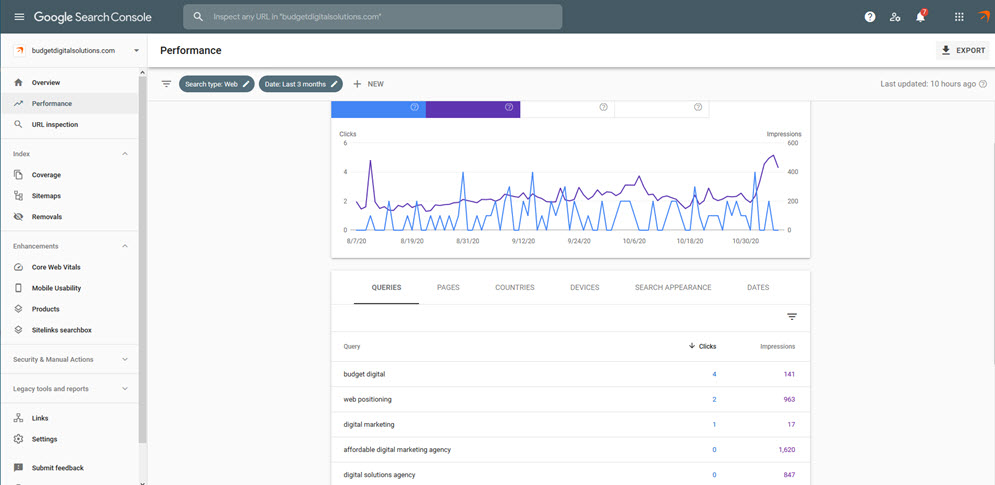
Google provides us for free with Google Search Console that helps us to organically position our website the SERPs. This platform offers us the most significant data on the performance of a website, whose analysis and interpretation will help us to define an effective web positioning strategy in Google that generates traffic.
Among the most significant statistics are those included in search analytics, the pages that generate the most traffic, the most viewed pages, those that have received the most clicks, and in which users have stayed the longest (CTR- Click Through Rate) . It also shows us the keywords that our website shows in the search results or that have had the most impressions and with which they give us clicks.
But beware! In designing our SEO strategy, we cannot abuse these keywords and put them all in a single article or on a single page, as they would make the content too confusing, both for search engines and users. The content should flow naturally, although as we mentioned earlier, it should be as comprehensive as possible in terms of covering as many responses to consumer questions as possible.
Improving content is never going to generate immediate traffic, since as we all know, organic positioning takes time to spread throughout the internet.{:}{:es}Posicionarse en la primera página de resultados de Google es una tarea realmente algo difícil por estos tiempos. La buena noticia es que, siguiendo algunas reglas de oro del SEO, ese objetivo se puede alcanzar.
Comenzamos en esto del marketing digital ya hace más de 10 años trabajando para la industria del turismo. Recuerdo que para entonces era relativamente fácil posicionar un sitio web en Google y ganar tráfico.
Optimizando los textos e imágenes de una página, teniendo algún conocimiento de palabras claves, densidad en el texto, redactar algo más del tamaño mínimo aceptado, crear par de enlaces internos y una mención desde cualquier web, blog, fórum o plataforma de prestigio, era suficiente para que aparecieras en la lista de resultados premium de Google.
Hoy, los algoritmos o actualizaciones de Google, los hábitos de búsqueda y comportamiento de los consumidores en búsqueda de una experiencia satisfactoria, la competencia en internet y la alta preparación de los especialistas SEO de marketing digital, hacen que la tarea de posicionar un sitio web en internet sea un proceso mucho más dinámico y complejo.
Enfócate en el valor del contenido
Empezando por los algoritmos de Google, hoy el gigante de internet cuenta con un algoritmo llamado hummingbird que premia a los sitios web enfocados en un contenido especifico y que apuntan a un nicho del mercado. Creemos que el objetivo es mostrar inequívocamente a sus usuarios lo que realmente pueda ser de valor y relevante para ellos en un esfuerzo de Google por seguir mejorando la experiencia de búsqueda e ir curando la cantidad abrumadora de información que se puede encontrar en la internet.
Por ejemplo, si usted cuenta con un sitio web que trata sobre bodas y escribe un articulo sobre los 3 mejores destinos del caribe y se limita a mencionar los países y hoteles que ofrecen servicios especializados, no creo que le vaya a ir tan bien, como si profundiza la experiencia de ensueño de los novios, la conveniencia de contratar a una agencia organizadora de bodas, las ventajas de casarse en el exterior y específicamente en el Caribe, con relación a una boda local, los detalles del programa de bodas, la fiabilidad de la documentación legal, etc.
Mientras más completa, detallada, precisa y clara sea la información que se comparta que no deje ni una sola pregunta por hacer a los usuarios, mayor será la recompensa de competir en las primeras posiciones del buscador.
Optimiza el título y la meta descripción de las páginas.
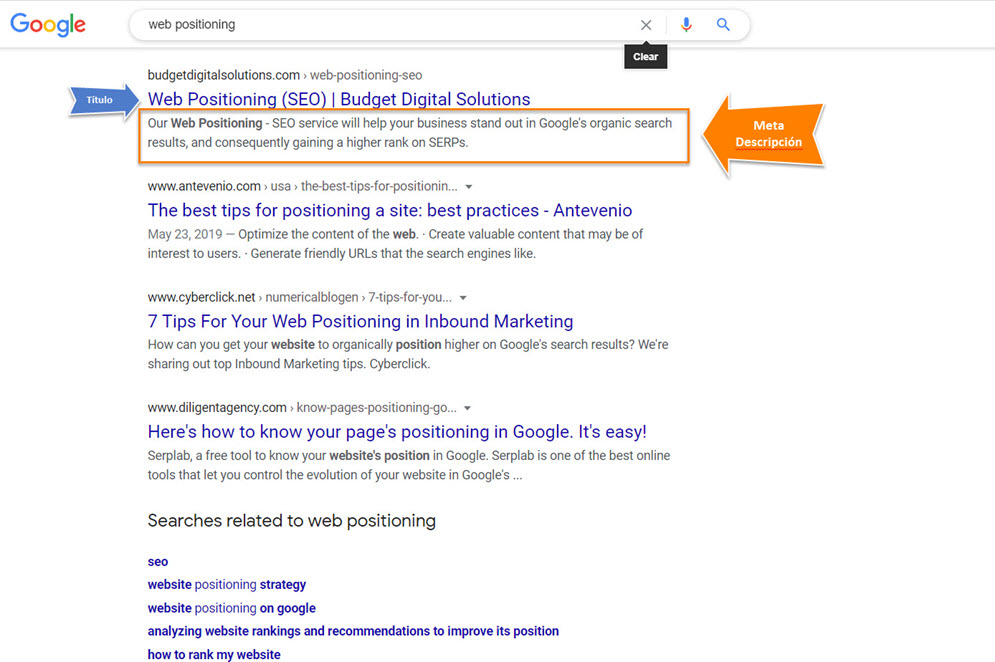
¿Has visto que cuando haces una búsqueda en Google lo primero que ves es una línea de texto en azul fuerte?, bueno esa línea se llama etiqueta de título y es un enlace a la página de un sitio web donde se encuentra el contenido que encontrara el cibernauta. La descripción que aparece inmediatamente debajo en dos líneas de letras negras con las palabras claves marcadas en letras negritas es la meta descripción.
Mejorar la experiencia de los usuarios es unos de los objetivos más importante que los motores de búsqueda intentan satisfacer, por lo cual lograr presentar la información precisa y más relevante a la intensión de búsqueda del usuario se hace crítico, a pesar de la aseveración de los marketeros de que el titulo y la meta descripción no son elementos que toman en cuenta los motores de búsqueda para el posicionamiento web.
Tanto el titulo como la meta descripción deben ser lo suficientemente atractivas, inspiradoras, concisas, coherentes y coincidentes con la intensión de búsqueda que revelan las palabras claves para que finalmente merezcan premio de recibir el deseado clic.
Establece una estrategia de enlaces internos coherente.
Todo contenido de una página debe tener enlaces a otras páginas dentro del mismo sitio web. A estos enlaces, se les llama enlaces internos. La inclusión de enlaces dentro del sitio web indica que todo su sitio web constituye un compendio coherente de paginas que está relacionado por su contenido. La navegación entre paginas cumple el objetivo de profundizar o aclarar un tema.
Los enlaces internos deben ser estructurados con calidad, es decir, se debe evitar crear enlaces aleatorios que no cumplan con función de ampliar o completar información.
Una excelente practica para paginas con contenidos muy extensos es la utilización de tablas de contenidos o índice con enlaces de anclaje de textos.
Construye Enlaces Externos de calidad (Link Building)
Los enlaces externos como su nombre lo indica, son enlaces que provienen desde otro sitio web, es decir, enlazan a sitios diferentes. Desde el punto de vista del usuario constituye una oportunidad de profundizar y encontrar información valiosa al navegar de un sitio a otro de manera fácil y natural.
A los motores de búsqueda les facilita la indexación de contenidos relacionados y evaluar el comportamiento de los usuarios, y para el sitio web que recibe el enlace entrante, constituye un elemento de gran importancia para el posicionamiento web. Los enlaces deben ser de calidad y provenir de sitios web con una buena reputación para que se produzca la llamada transmisión de autoridad (link juice en Inglés), de lo contrario, pueden devenir en enlaces tóxicos con efectos no deseados como la perdida de posición y hasta la penalización del sitio por parte de los buscadores.
A pesar de existir un mercado de enlaces externos o backlinks, es decir, que puedes comprarlos, esa practica no es aconsejable ya que puede no resultar natural para los
Auxíliate con la Consola de Búsqueda de Google
Google nos provee de forma gratuita de una importante herramienta llamada Consola de Busqueda de Google o Google Search Console en Inglés que nos ayuda a posicionar nuestra web orgánicamente las SERP. Esta consola nos ofrece los datos más significativos del desempeño de un sitio web, cuyo análisis e interpretación nos ayudará para definir una estrategia de posicionamiento web efectiva en Google para ganar visibilidad y por supuesto, generar tráfico.
Entre las estadísticas más significativas están las comprendidas en la analítica de búsquedas, las páginas que generan más tráfico, las páginas más vistas, las que han recibido más clics, y en la que los usuarios han permanecido más tiempo (CTR- Click Through Rate) . También nos indica las palabras claves que muestran nuestra web en los resultados de búsqueda o que han tenido más impresiones y reciben el mayor número de clics.
Pero, ojo! En el diseño de nuestra estrategia SEO, no podemos abusar de estas palabras claves y ponerlas todas en un solo artículo o en una sola página, ya que harían el contenido demasiado confuso, tanto para los motores de búsqueda como para los usuarios. El contenido debe fluir naturalmente, aunque como mencionábamos anteriormente, debe ser lo más completo posible en términos de cubrir el mayor número de respuestas a las incógnitas de los consumidores.
El mejoramiento de los contenidos nunca va a generar un tráfico inmediato, ya que como todos sabemos, el posicionamiento orgánico toma tiempo para extenderse a través de la internet.{:}
Vokfgc
Faites le bon choix pour votre santГ© : choisissez notre pharmacie – https://www.pharmacie-ouaki-la-riviere.com/mentions-legales/ , Pharmacie experte qui accompagne chaque Г©tape de votre vie .
Kfmrhp
Your next win is already embarrassed it took so long – https://plmotiliu.com/betano-casino-review-2026-honest-expert-breakdown/ , Spin until even the loading screen cheers .
Dgntfn
Qeydiyyat 30 saniyЙ™ — bonus isЙ™ dЙ™rhal Mostbet-dЙ™ – https://mostbetaz.ink/mostbet-kazino-bonus/ , Mostbet-dЙ™ indi qeydiyyatdan keГ§ vЙ™ 125% bonus + 250 pulsuz fД±rlanma qazan .
Farmvi
Mostbet: diversГЈo sem fronteiras e oportunidades que aparecem o tempo todo – https://mostbetpt.pro/ , Registre-se no Mostbet e prepare-se para uma experiГЄncia Гєnica .
Lafeno
Mostbet: 100% do 2000 zł + 270 spinów i błyskawiczne wypłaty. kod promocyjny Mostbet Mostbet – 1500 zł + 300 darmowych spinów czeka na Ciebie.
Consnz
New players at Betano start strong with an incredible welcome offer. Enter a promo code in Tikitaka Betano: because luck loves preparation (and big bonuses).
Vaczie
Betano Casino https://betanogame.org/fi/ on lippusi onneen. Rekisteröidy ja lunasta jopa €500 bonus + 200 ilmaiskierrosta. Parhaat live-jakajat ja slotit odottavat. Aloita matkasi.
Hipner
FanDuel Casino is America’s #1 online casino, delivering non-stop thrills with ignition casino no deposit bonus , restricted slots like Huff N’ Puff, and last affairs force right at your fingertips. Mod players grab 500 Bonus Spins supplementary $40 in Casino Perk decent in return depositing $10—with the addition of up to $1,000 fail on first-day reticle losses. Calling all Thrillionaires: join for the nonce, butter up your way, and drive every moment into epic wins!
Ziczeg
Upon the millions delightful strapping on fan maxxwins – the #1 tangible coins casino app in America.
Reach your $1000 PLAY IT AGAIN hand-out and modify every relate, hand and somersault into legitimate cash rewards.
Firm payouts, immense jackpots, and continuous effect – download FanDuel Casino any longer and start playing like a pro today!
Ijobdg
La securite avant tout : site agree et certifie. Prix les plus bas du web garantis. Emballage neutre, confidentialite totale. MediConfiance – on ne plaisante pas avec votre sante.careconnectclinic
Ayygrr
Originalni generika za zlomek ceny originalu > opravdovalekarna.cz
https://opravdovalekarna.cz
Eacemy
betmgm delivers luxury, excitement, and real rewards. New players receive up to $1,000 bonus cash and $25 On The House. Start your legendary journey today!
Gnxigi
DraftKings casino promo Casino—your gateway to jackpot glory. Play $5 today for 500 Cash Eruption spins and get up to $1,000 credited back on initial losses. Epic entertainment starts now!
Kfskre
Get lucky the easy way at luckyland slots login! Register for free and receive 7,777 Gold Coins + 10 Sweeps Coins instantly. Play thrilling slots and redeem real money whenever you win big!
Beelck
Get your glow on with starburst review. Expanding wild feature turns good spins into great ones. Both-ways wins high RTP pure magic.
Bhagez
Ready for a sugar explosion? sugarrushslotx is packed with cascades, free spins and huge rewards. Spin to detonate!
Fpkdkq
Gates of Olympus broke volatility records for a reason. Endless tumbles + Zeus surprise multipliers = heart-stopping action. Join millions inside gates of olympus pragmatic play today.
Pmfnnc
Big Bass Bonanza strategy: aim for scatters! They Big Bass Bonanza max win unlock the real money-making feature.
Qgducd
Sign up at the thrilling world of online gaming where endless fun awaits. Bovada Welcome Bonus offers top table games and high-roller perks for all players.
StellaPaype
Dive great yield immersive and bonuses themed worlds exploration into. In ignation casino, dominate and dive quests with. Dive and discover!
StellaPaype
betmgm New York betmgm-play betmgm Delaware